The 4 Biggest Challenges That Writers Face

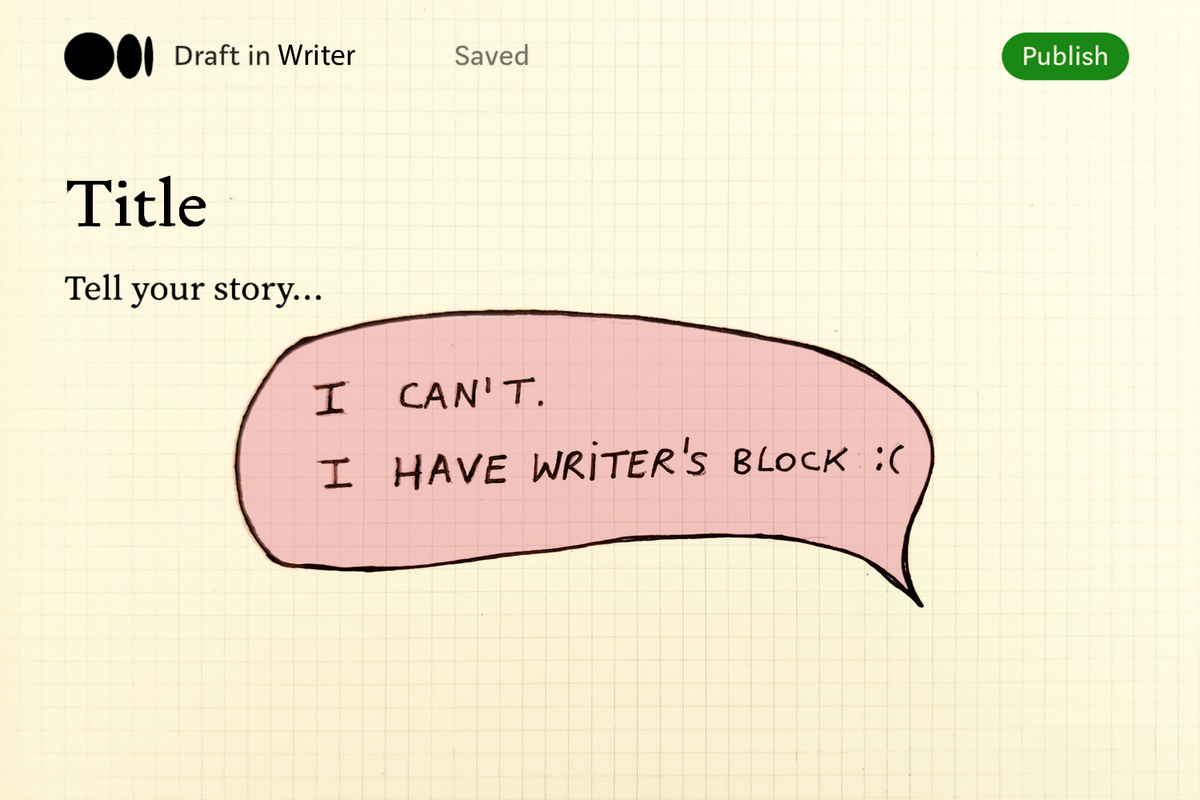
And how to overcome them.
Writing is hard.
Granted, there are days when it will feel like a piece of cake: Your head is pumping out +10 ideas at once, you know exactly how you should formulate your words, and you cannot wait to hit the Publish button.
But then you have those days.
When You Don’t Feel Like Writing Anymore
Call it “writer’s block”, “losing the spark,” or “my inspiration has gone on vacation.” They all refer to the same belief:
I’d be better off without the headache that writing brings.
I'm not talking about the fantasized writing; the one where you're in a nice coffee shop, sipping a creamy cappuccino, in front of a brand new laptop.
The writing I’m referring to is the one you face when no one’s watching.
The real mental turmoil.
I divided it into the 4 most challenging stages:
Stage 1: The Blank Page
I don’t know what to write. It’s too messy in my head, and I can't get started.
It’s funny how we talk about the blank page because if we peer into the mind…it’s the total opposite of blank.
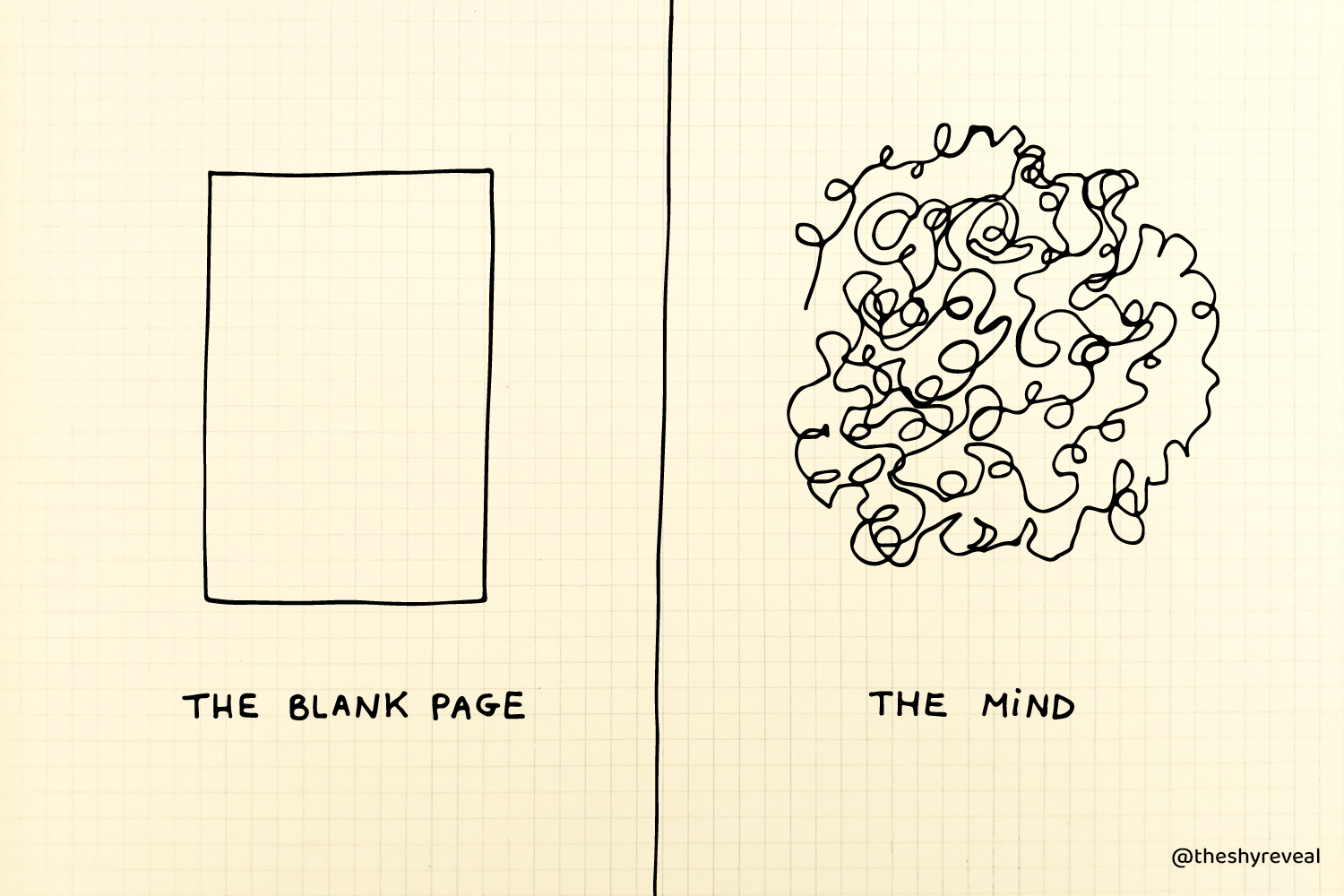
It’s not that our thoughts are empty.
It’s that they are waaaay too much to untangle.
Let’s say you’re starting an article. You type in the first three lines, then your brain is telling you: “No, that’s not right. That sentence is inadequate. Start again! Delete that whole paragraph and let’s reiterate it in the most flawless way possible!”
Result? You end up believing you have no inspiration, when in reality, you have no structure.
Often, the cause of writer’s block is this: We think we should have everything figured out. But how do you figure out a chaotic mess that is the mind?
It’s never all at once. I cannot jump from the bottom of the staircase to the top. I’ll have to take the first step, then the second, the third, and so on until I reach the end.
A writing methodology might help.
You could also try brainstorming, mind-mapping, journaling, doodling, talking to people, spending one hour in silence…until a random thought pops up.
Whatever the technique you use, the goal is the same:
To disentangle the knots of your mind.
Just like cleaning a room: everything will get sorted out in its right place.
Stage 2: The Void of Loneliness
My writing is unsuccessful. No one knows it even exists, so what’s the point?
Now that you’ve uncovered Stage 1, you start wondering:
“Okay. The writing is done, but then I’ll publish it and…no one will care.”
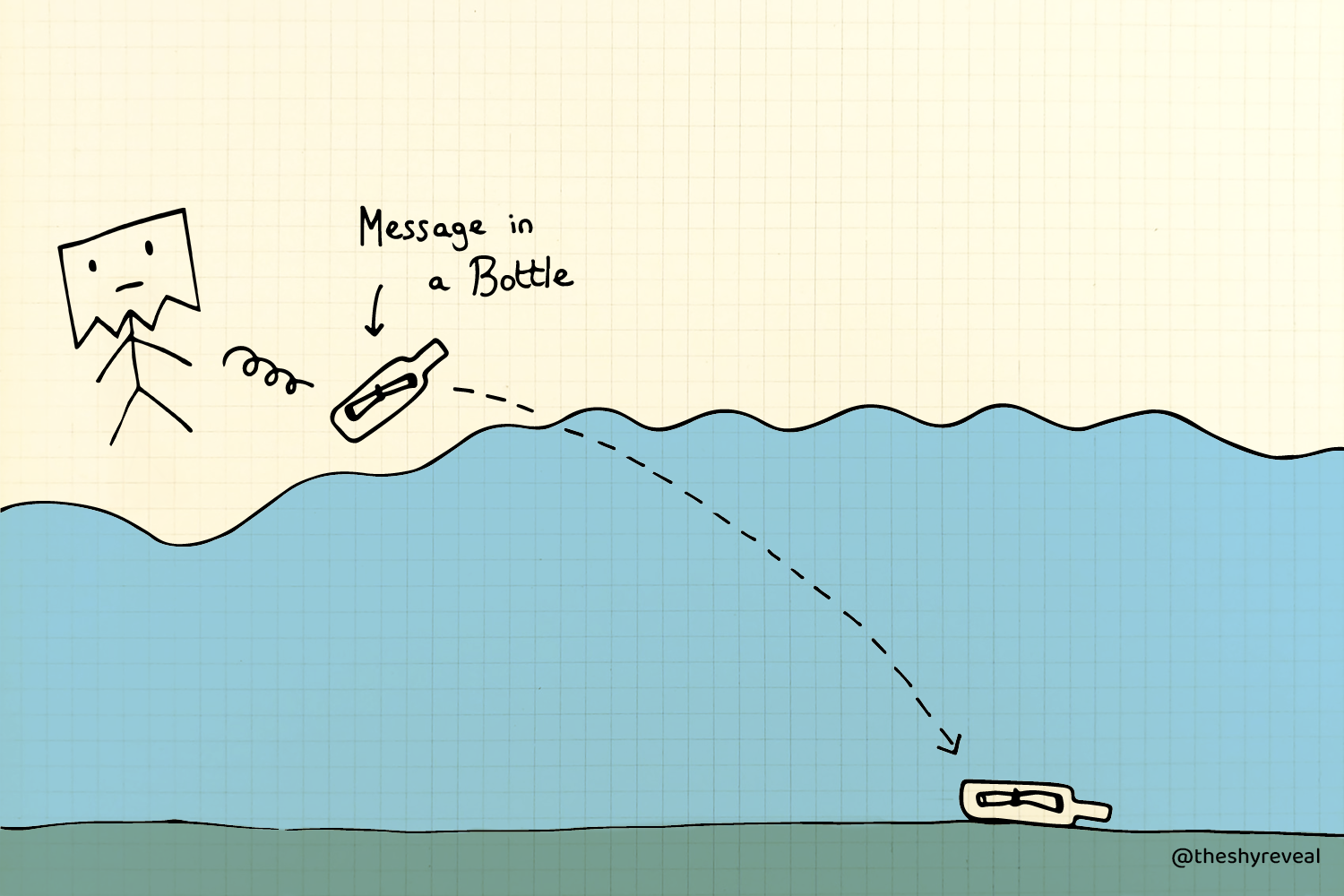
Fair enough. You want to be noticed. You want people to say: “Wow, I feel the same too”. But you’ll have a price to pay, and that is loneliness.
You’ll be invisible. No likes, no comments, no signs of anyone reading your stories.
That’s a bummer, especially on social media where you’re supposed to be "making it". Next thing you know, you’re setting high expectations for yourself, such as:
- I have to reach a specific number of followers by the end of the week.
- My next article has to be spectacular. It has to blow people’s minds.
- If no one is reading what I write, why am I doing it?
Notice how these thoughts are conditional:
People read? Continue writing. No one reads? Stop writing.
But the question is: Would you still be writing if you knew no one was ever going to read you?
To counter the void of loneliness, I’ve set in stone that no matter what, I’ll always be my number one reader.
You might ask: What’s the thing I’ve always wanted to read, but couldn’t find elsewhere? Then write exactly that.
At least, you get reading material that’s tailored to you.
Also, does it really matter if you don’t come up with the most transformative, fabulous, never-seen-before piece? I often remind myself that the goal is to connect, not to impress. And we all have our own style of connecting.
That’s how you differentiate yourself.
Stage 3: The Public Scrutiny
My writing will be rejected. People will say it’s bad, so I should just quit.
And now we get to the other side of the coin.
Readers start liking and commenting on your articles. The more you publish, the more you get exposed. But as you move on, you realize that…
It’s dangerous to write.
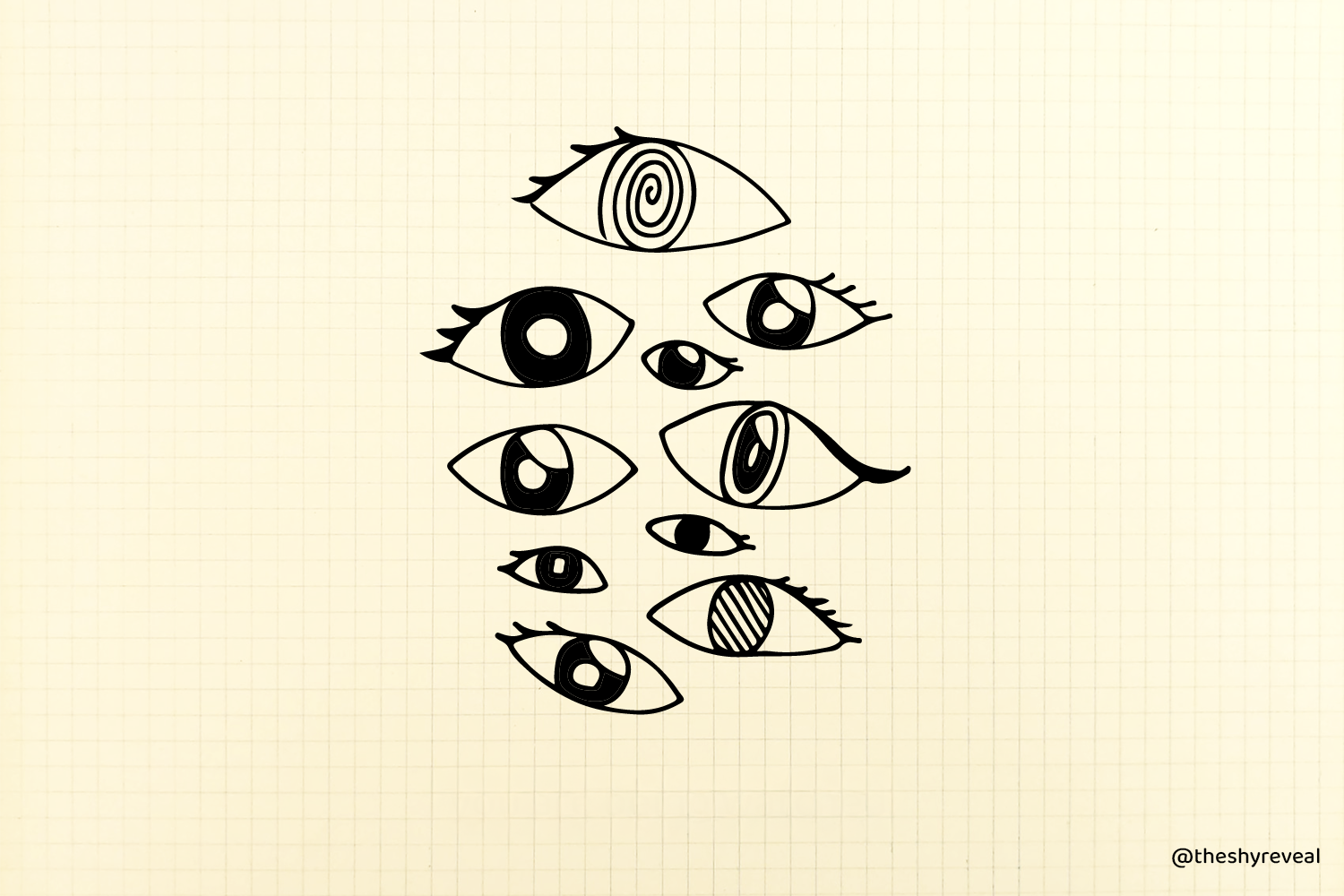
Essentially, a writer’s job is to display their thoughts.
For the whole world to see.
Like, who in their right mind would do that? If you’re a writer (or if you’ve ever considered being one), then good luck.
Here’s the thing you’ll need to remember: creation breeds rejection. At some point, not everyone will like what you publish. Maybe for some, your work is too obnoxious. Too pretentious. Too bland. Too weird. Too cringey.
Whatever the label. If you’re afraid of being rejected, you’ll probably do anything to block the inspiration:
No, not this. Start again. This topic doesn’t fit in with what I usually write. Oh no, am I going to sound like an idiot?
Yes, writer’s block can take a toll on your self-esteem. But too often, we get fixated on the negative stuff.
The trick is to realize that maybe your work is not so bad, and it’s not too embarrassing. If it is, you could pretend that it’s a writer’s job to embarrass themselves, so others don’t have to.
Here comes Austin Kleon:
“Try it: Instead of keeping a rejection file, keep a praise file. Use it sparingly — don’t get lost in past glory — but keep it around for when you need the lift.”
— Austin Kleon (Source: Steal Like An Artist)
No feedback yet? Remind yourself of compliments in other areas of your life. It could be a clothing item. It could be a personality trait.
As much as you have the potential to be rejected, you also have the potential to be accepted and understood.
Stage 4: The Dying Flame
I’m getting tired of writing; I don’t feel any joy in my craft anymore.
After a few years of writing, it finally paid off. You have many people who resonate with your work. You feel useful. You feel connected. You feel like you finally found your life purpose.
But as you move on, you start feeling sort of…
Disenchanted.
Someday, if I cross my arms and utter the phrase: “I’m bored with writing”, will I ever return to it again?
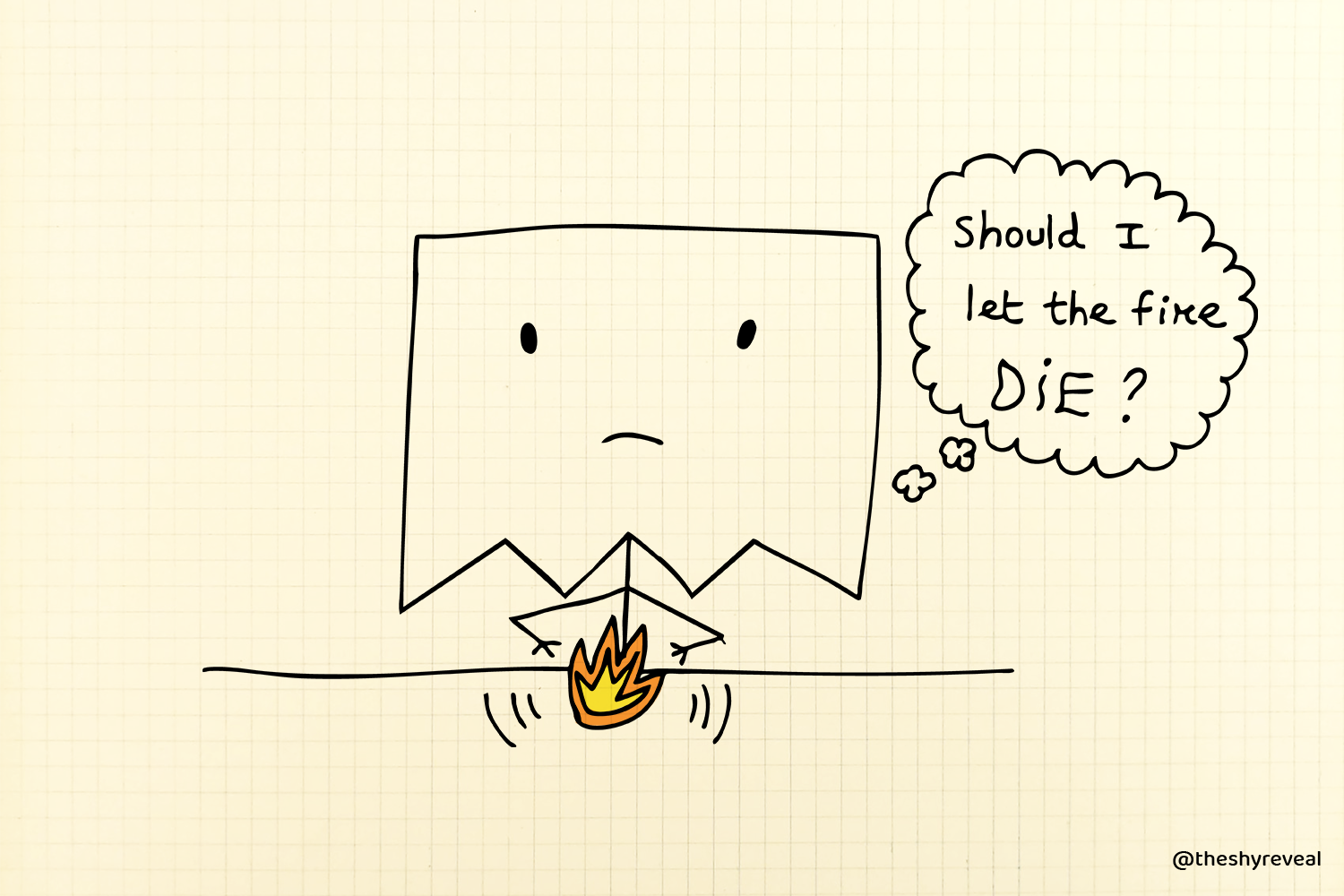
The consensus would be: Don’t give up! You need to rekindle that flame. Try harder. Aren’t you doing this for life?
But I guess sometimes, the only useful advice is to take a break. How about detaching ourselves from the “writer” status, at least for a while?
How about loosening your deadlines? Instead of every three days, how about a week? A month? Or even a year? And the thing is, you’ll probably turn out just fine.
Even if you enjoy writing, there can be periods in your life when you lose the spark. Or you don't care anymore. Years pass. But there's still the possibility of returning to each other, just like longtime friends.
It will feel as if you've always been together.
Writing is hard.
Since we are so attached to our thoughts, writing (= the translation of our thoughts into the real world) can be personal. Maybe that’s why the term "writer’s block" is so prevalent.
A writer has to navigate through a lot of self-doubt. But it is exactly those challenges that make the craft special.
And when the article, the song, or the book writes itself, that’s when you can feel the magic. It's your intuition speaking:
You were meant to express yourself.
Thank you for reading! ✿